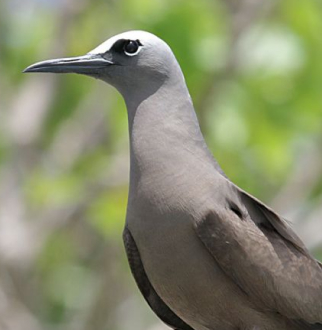
Birds
The Chagos Archipelago is home to a diverse breeding seabird community, with more than 175,000 pairs of birds visiting each year.
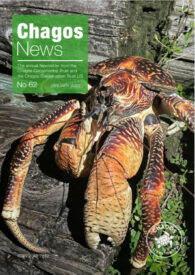
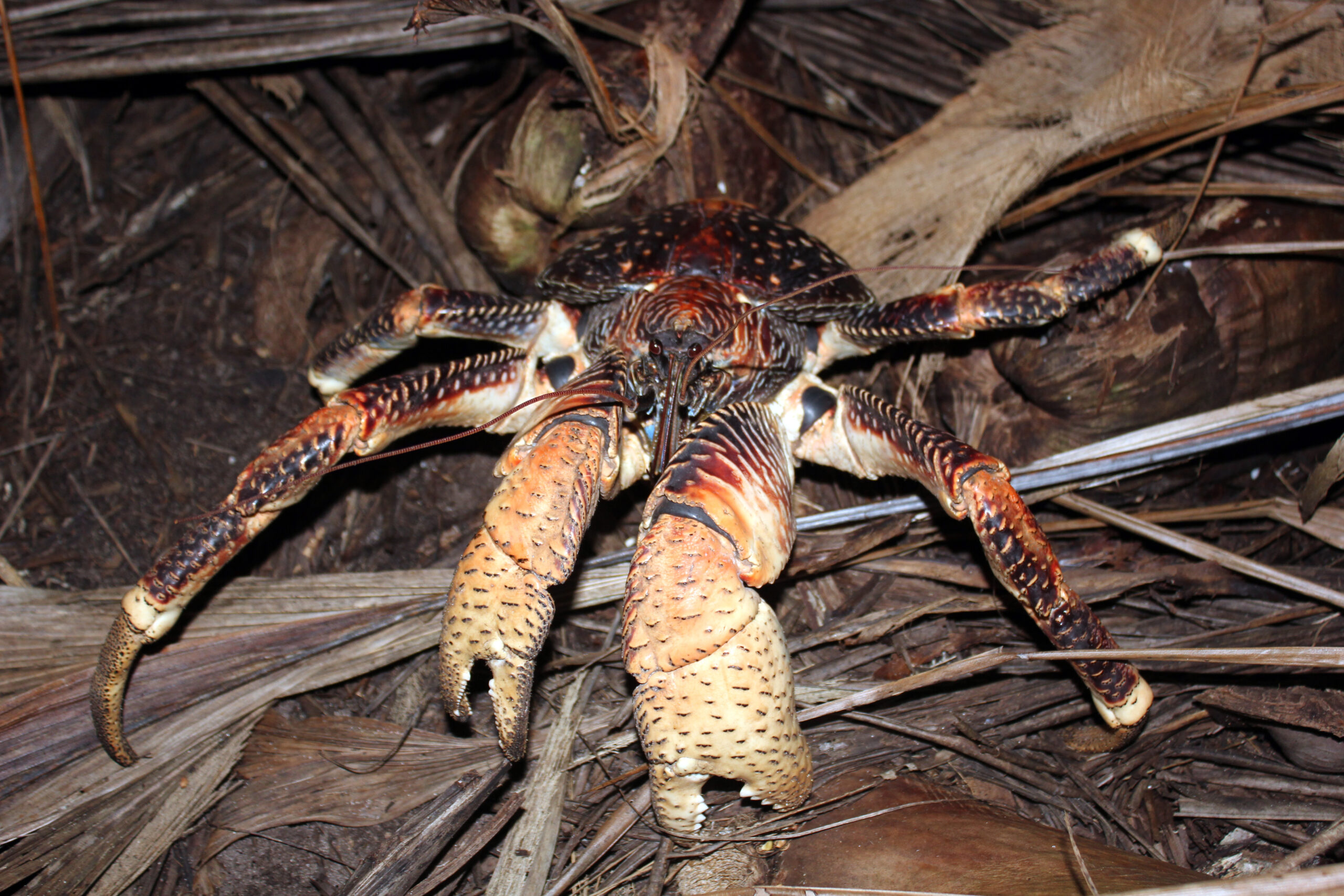
Learn more in ChIPA terrestrial species of giant hermit crab and the largest arthropod in the world, coconut crabs found in the Chagos can weigh up to 4.1kg (9lb).
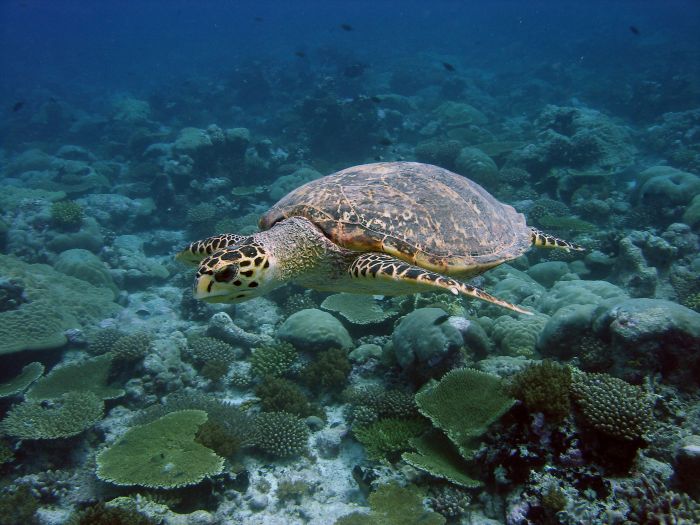
This critically endangered sea turtle, which belongs to the cheloniidae family, breeds and forages in the archipelago's waters - and is the star of the Trust's logo!
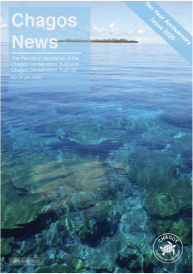
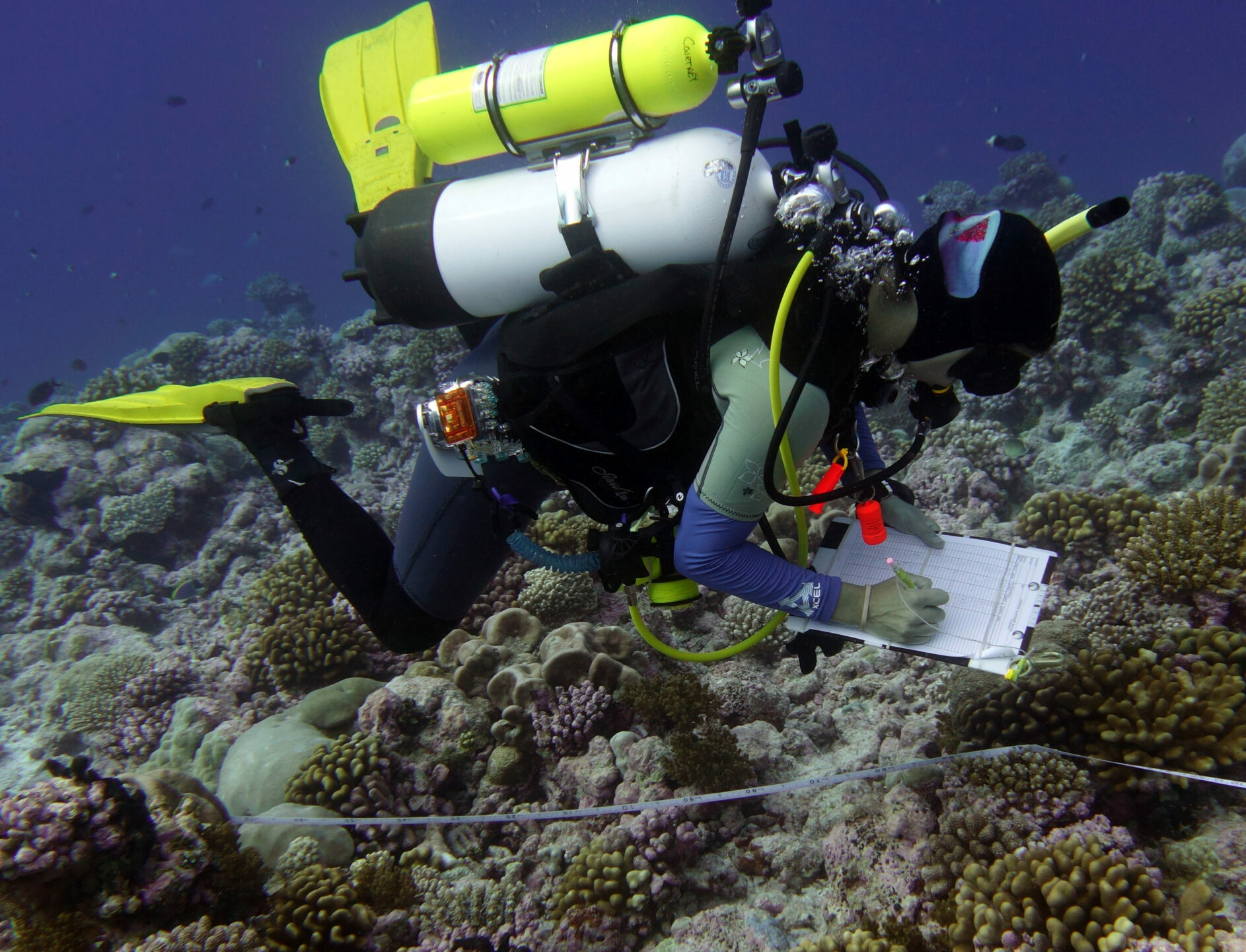
Consisting of at least 55 islands, the Chagos Archipelago is one of the largest Marine Protected Areas in the world (640,000km²) and is a no-take marine reserve that sits in the middle of the Indian Ocean, 300 miles south of the Maldives and 1000 miles from the southern tip of India.

The Chagos Conservation Trust is devoted to protecting, conserving, and educating the world about this important ecosystem and its precious wildlife. We have the sole aim of providing the best possible advice for the conservation of the archipelago.
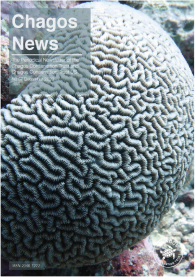
Previously thought extinct, Chagos brain coral is the rarest coral in the world and currently only found in the archipelago.
Learn more in ChIP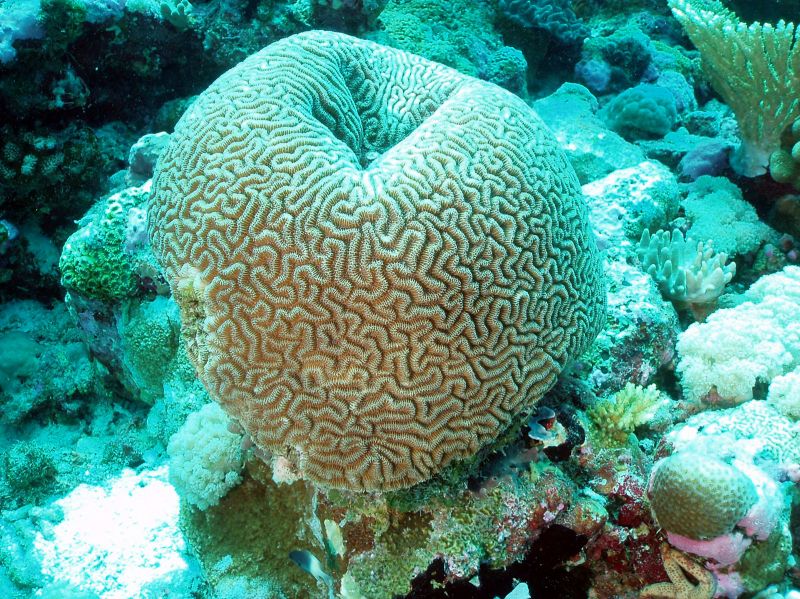
Our aim is to make sure this valuable natural environment is protected, and can act as an example for conservation and management of environments across the planet.
With the right care, the Chagos Archipelago can be a reminder of how tropical reefs flourished many hundreds of years ago, offering vital insight into how they might be saved for generations to come.
Found across the islands, this iconic bird has been successfully increasing in numbers, with nearly 6000 breeding pairs recorded.
Learn more in ChIP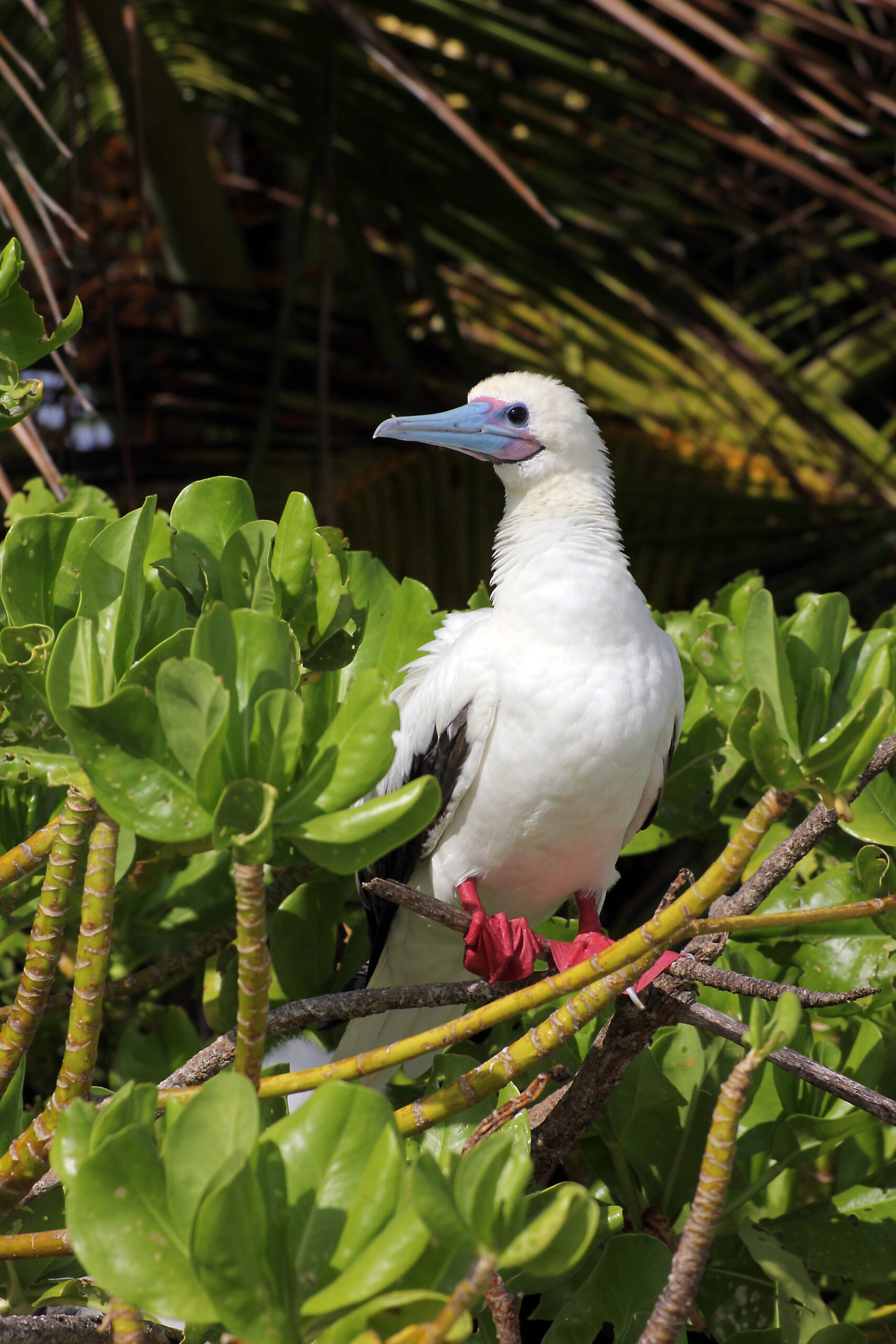
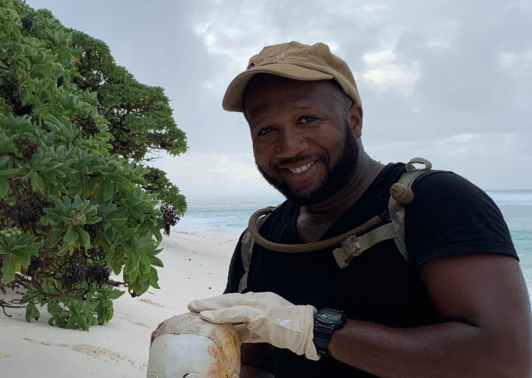
We work together with the Chagossian community and partners to carry out scientific research and conservation work, striving to highlight the global importance of this vital marine ecosystem, protecting the wildlife which makes it unique and precious.
The Chagos Archipelago is home to a diverse breeding seabird community, with more than 175,000 pairs of birds visiting each year.
Learn more in ChIP
More than 800 species of fish flourish among the Chagos islands’ reefs, including many that have been heavily diminished by over-fishing elsewhere in the world’s oceans.
Learn more in ChIP
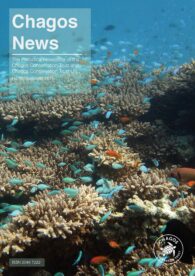
While the Chagos Archipelago has not fully escaped the ravages of climate change, it remains home to at least 300 types of coral, and is critically important to global coral conservation efforts.
Learn more in ChIP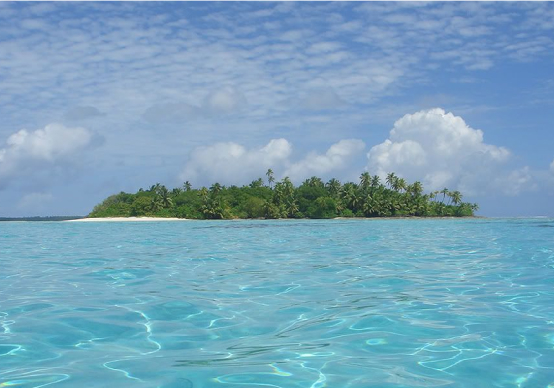
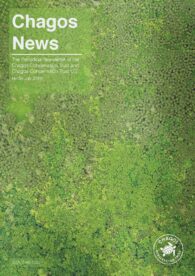
By rewilding 30 degraded islands in the outer atolls, we want to boost the survival of the Chagos Archipelago’s seabird populations and allow coral and fish communities to thrive.
What is Healthy Islands, Healthy Reefs?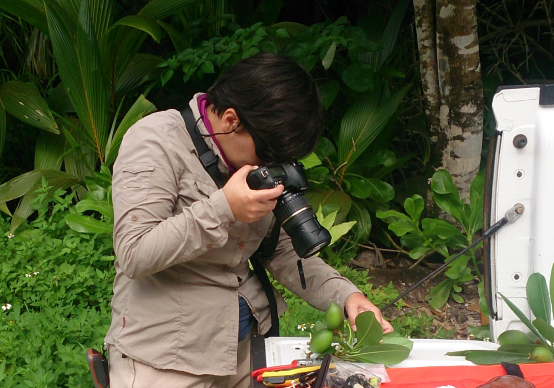
We are working with the Royal Botanic Gardens Kew to create the first comprehensive record of the islands’ vegetation and collect seeds for Kew’s Millennium Seed Bank.
What is the John Topp Botanical Fund?Learn more about us, and our recent scientific work undertaken in the Chagos Archipelago, in our annual e-publication.